
Papua New Guinea to Protect Coral-Rich Marine "Highway" for Sharks, Dolphins, Whales and Rays
By National Geographic Society · 13 May 2026
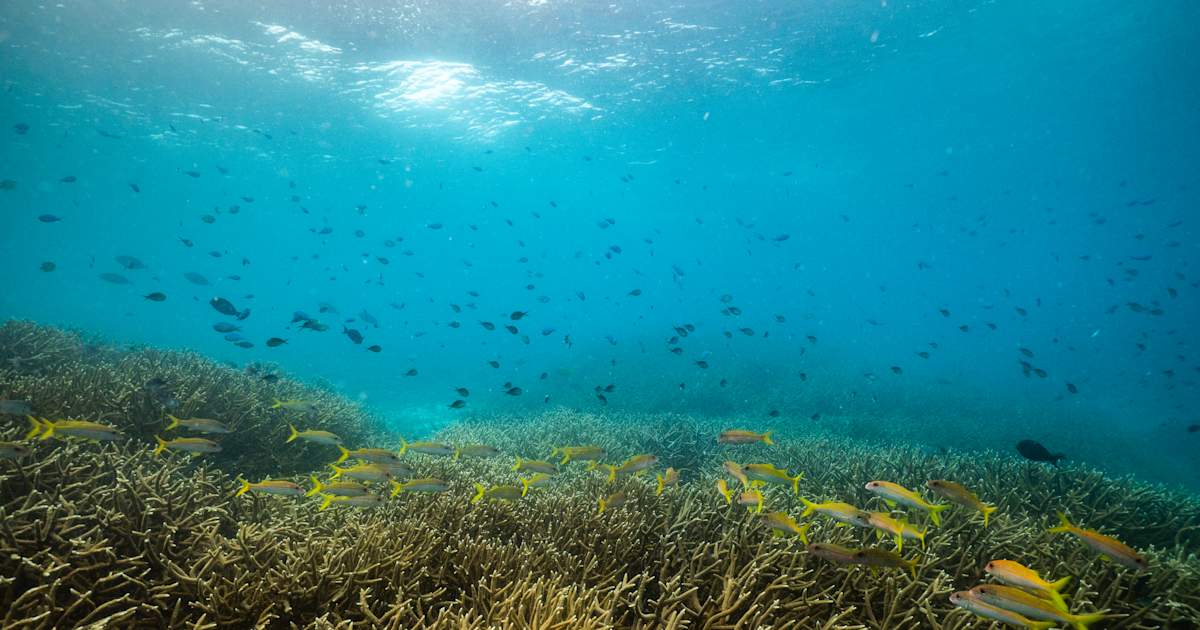
The Western Manus Marine Protected Area is designed to safeguard one of the most biologically rich and least explored ocean regions on Earth — all while ensuring that coastal communities have plentiful fish for generations to come. The proposed marine protected area (MPA) is strictly "no take," meaning no fishing or extractive activity is allowed within its boundaries.
"Papua New Guinea is one of the most biodiverse places on the planet. Establishing the Western Manus Marine Protected Area will allow us to preserve and protect our ecological legacy and, at the same time, ensure that our coastal communities thrive."
Known for species found nowhere else on Earth and some of the planet's deepest nearshore waters, PNG is located in the Coral Triangle — the global epicenter of marine biodiversity. Surveys in PNG have documented more than 3,000 species of fish and 600 species of coral.
"We take our commitment to protect 30% of our waters by 2030 very seriously, and this new MPA brings us one large step closer to that goal," said Yvonne Tio, executive manager at the country's Conservation and Environment Protection Authority (CEPA).
Minister Wong announced the country's intention amid the first-ever Melanesian Ocean Summit (11–14 May 2026) — a regional gathering of leaders from Papua New Guinea, Fiji, Solomon Islands, New Caledonia and Vanuatu. PNG is hosting the summit, with more than 500 delegates attending from around the world.
Marine Highway Hosts Vast Biodiversity
Marked by underwater mountains, ridges and canyons — which create a "marine highway" connecting the shallows to the deep — the planned sanctuary will support a stunning array of marine life, including endangered species: seabirds (black noddies, white terns and red-footed boobies), shorebirds, gray reef sharks, manta rays, green turtles and dolphins.
In 2024, National Geographic Pristine Seas launched a three-month-long expedition in partnership with CEPA and the Wildlife Conservation Society (WCS) to study the country's remote waters and provide the government with data to inform ocean protection priorities. The expedition team found vibrant coral reefs, healthy fish populations and unique deep-sea habitats.
"At a time when coral reefs are in crisis, it's exciting to see the Western Islands still shimmering with healthy corals and schools of fish like wahoo, rainbow runners and jacks. This is not just a beautiful place — it's a highly connected ecosystem worth protecting."
To set the boundaries of the proposed MPA, scientists tracked endangered gray reef sharks as they traveled between shallow reefs and deep-sea habitats. The protected zone was designed to cover much more than just where these sharks roam — it also accounts for wide-ranging ocean species and the underwater connectivity between coastal communities.
"Our ancestors have always lived in harmony with the sea, but today, we are writing a new chapter for our children. To see the waters of Western Manus recognized as the largest marine protected area in Papua New Guinea is a proud moment for our people."
Source: National Geographic Society

